
Five local self-governments – Novi Pazar, Tutin, Mojkovac, Bijelo Polje, and Kolašin – have enhanced their knowledge and capacities in the area of waste management, thanks to the project “BEST “, implemented by NALED with support from the European Union and in partnership with the Center for Ecotoxicological Research.
The goal of the project was to improve the waste collection and recycling systems in the border area between Serbia and Montenegro. At the same time, it aimed to strengthen the capacities of local self-governments and public utility companies in primary waste separation and to raise public awareness about the importance of proper waste management and environmental protection.
During the project, four thematic training sessions were organized for representatives of local governments and public utility companies, along with four additional sessions for civil society organizations. These educational events contributed to knowledge sharing, better understanding of the regulatory framework, enhancement of technical capacities, and increased awareness among public administration employees about the principles of the circular economy.
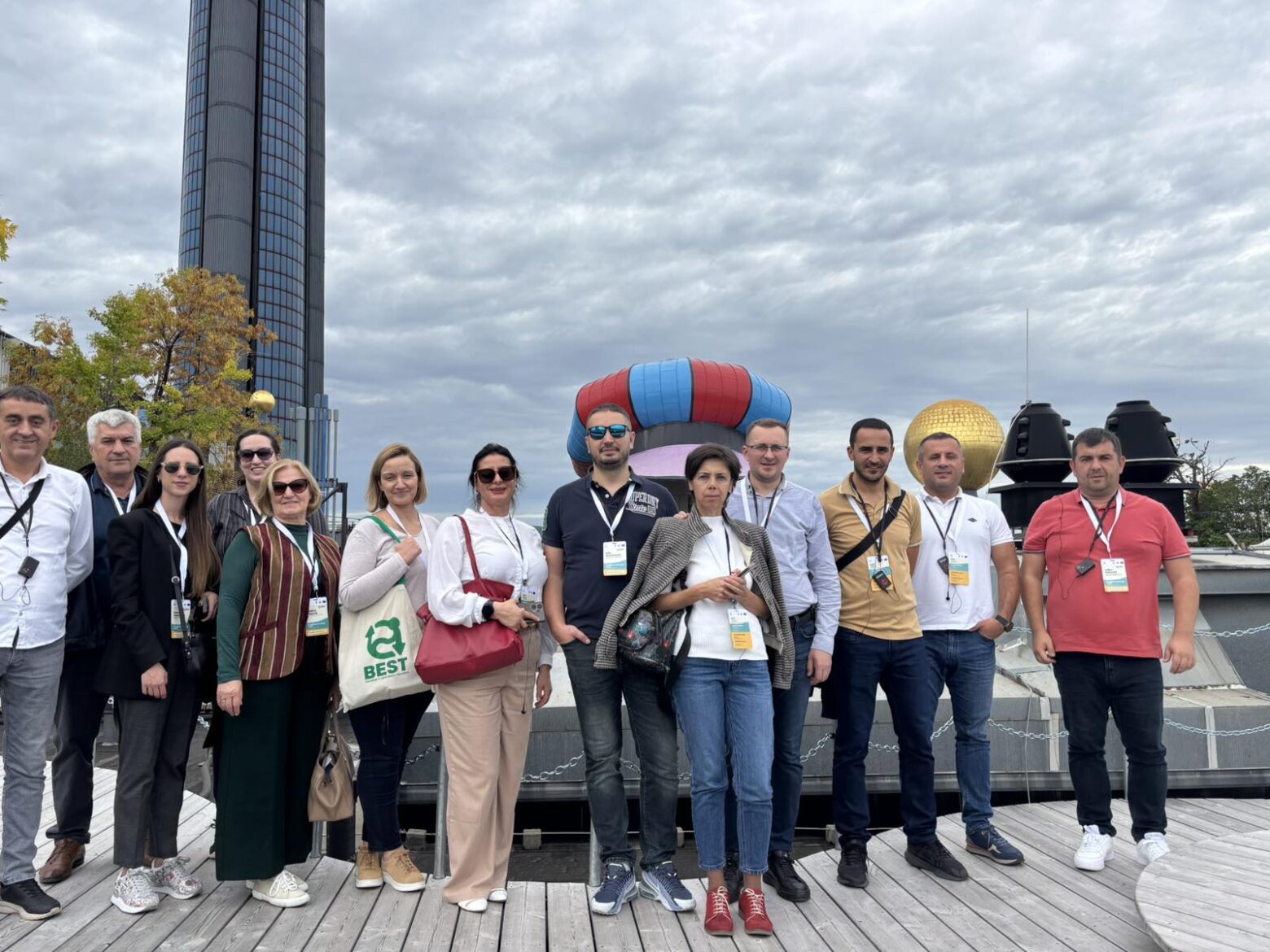
One of the most significant parts of the project was a study visit to Austria, where participants had the opportunity to learn about modern and efficient waste management models, including primary waste selection and the transformation of waste into electrical and thermal energy.
The project’s main activity included the procurement of 2,000 waste separation bins based on the two-container model, which were distributed in Novi Pazar and Mojkovac. Additionally, a waste baling press was provided to the public utility company in Mojkovac. Owing to savings achieved through the project, Novi Pazar was also able to procure a specialized vehicle for waste collection, further strengthening the technical capacity of its local administration.
“It is important to develop a primary selection system, which involves collecting and separating waste at the point of origin. NALED’s research shows that most citizens do not separate waste due to a lack of proper infrastructure, while only one-fifth cite a lack of habit. Findings also indicate that additional motivation could come from having waste bins and recycling stations closer to users, along with the introduction of certain incentives. Serbia has solid regulations aligned with EU standards in the field of municipal waste management, but more investment is needed to support implementation,” said Sanja Knežević Mitrović, Head of the Environmental Protection Unit at NALED.
To support the development of a long-term and sustainable waste management system, the project resulted in the creation of five strategic public policy documents:
- Situation Analysis and Recommendations for Glass Packaging Waste Management – Novi Pazar
- Situation Analysis and Roadmap for Circular Economy – Municipality of Tutin
- Situation Analysis for Establishing a Packaging Waste Management System – Montenegro
- Situation Analysis and Roadmap for Circular Economy – Mojkovac, Kolašin, and Bijelo Polje
- Local Waste Management Plan – Municipality of Mojkovac
These documents were presented during workshops held in both Serbia and Montenegro, and their adoption in Novi Pazar and Tutin demonstrates the readiness and commitment of local authorities to take concrete steps toward responsible resource management. However, it is also clear that many local governments lack the resources and capacity to fully implement the responsibilities delegated to them.
This is why pilot projects such as “BEST” can be especially valuable, particularly for smaller communities, helping them to recover recyclable resources from municipal waste – such as PET plastic, aluminum, cardboard, paper, multi-layer packaging, and glass.
The total value of the project is €374,826.35, of which €318,602.40 was financed by the European Union.